



The God of the Danube River
The name of this statue is the God of the Danube, who sits on three stretched dolphins with his elbows resting on the fins of their tails. A flower wreath decorated with leaves of aquatic plants on the top of the head. The back of the statue bears the artist's signature: "Giuliani Ficit 1738". Giovanni Giuliani was an Italian sculptor active in Heiligenkreis, Austria, whose works were influenced by the late Italian Baroque style and made significant contributions to Austrian Baroque sculpture.

Isis Fountain
This is the Aess Fountain located in the 8th district of Vienna, which was built in 1833. The fountain consists of a four sided base with a lion's head spraying water. The base rises from an eight sided cast iron basin decorated with rose patterns. It began supplying water in 1804, mainly for the suburbs at that time. Inscriptions are attached to both the front and back of the base. At the top is a statue of Isis. This fountain was built to commemorate the opening of the Albertine water pipeline. Isis was a goddess in ancient Egypt, known in Egyptian mythology as the goddess of magic, childbirth, death, and resurrection.

Angel "
The Angel statue was designed by Giovanni Giuliani and is located in the Holy Cross Abbey in Lower Austria, Austria. This design is for the podium of the winter restaurant in the monastery. In this design, an angel stands on a pedestal, supporting a cushion that serves as a podium. The statue is currently housed in the monastery museum and is made of clay. It is 36.7 centimeters tall and was created in 1719.
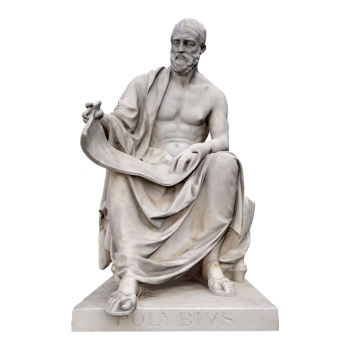
Marble statue of the Austrian Parliament building Polybios
Polybius (Polybios) It was created in 1899 by the Austrian sculptor Alois Düll, carved from marble. It is in honor of the ancient Greek historian Polybios, best known for his major work "History", which originally had 40 volumes and described the universal history of Rome from the beginning of the First Punic War to the destruction of Carthage and Corinth.

Popular Models


Honey Badger (3D animated model)
192 View

Guinea fowl (3D animated model)
163 View

Wild Goose (3D animated model)
185 View

Red Fox (3D animated model)
153 View
Random Model

Emerald Silver Ring
748 View

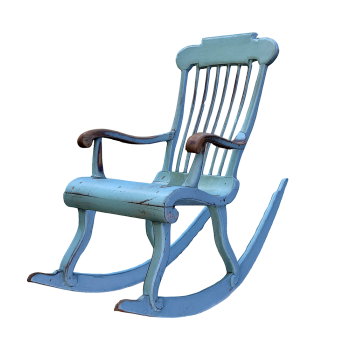
Vintage style wooden rocking chair
491 View

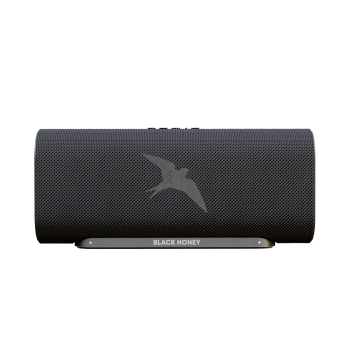
household bluetooth speaker
957 View

Red eyed Snow Crab
891 View
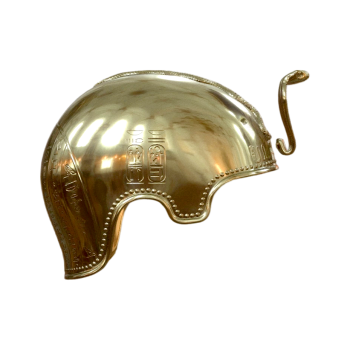


Rock 3D model
1237 View

The Empire State Building in New York
1355 View